
Quiet Ocean Moments Create Unexpected Memories During Deep Water Adventure

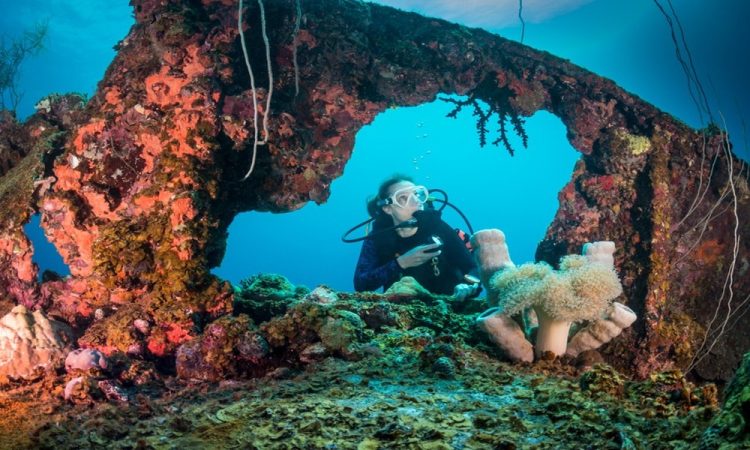
A lot of ocean activities feel loud from the beginning. Fast boats. Big crowds. Constant talking. But this experience moves differently once the shoreline disappears behind the boat. The water opens up slowly and people start watching the horizon more than their phones. For travelers looking into shark diving north shore experiences, the biggest surprise is usually not fear. It is how calm everything suddenly feels out there.
Some visitors expect nonstop action before arriving. Huge splashes. Fast movement. Chaos underwater. The real experience feels more patient than that. More quiet too.
What visitors usually notice during the first shark appearance
The first sighting rarely happens the way people imagine beforehand. Sometimes the shark appears slowly from below where the water looks darker. Sometimes it passes beside the cage so smoothly that people almost miss the first few seconds. There is usually no dramatic moment where everyone screams at once like movies suggest.
Instead people stare. The movement underwater feels controlled and strangely relaxed. Sharks do not waste energy moving around wildly. They glide through the water in long smooth turns that look almost effortless from inside the cage. And once travelers notice that pattern, the fear starts changing into curiosity pretty quickly.
Cage positioning and visibility below the surface
Visibility changes every day depending on ocean conditions. Some mornings the water looks incredibly clear while other days appear slightly cloudy underneath. Guides usually explain that before anyone enters the cage because expectations matter a lot during ocean activities.
People standing near the edges of the cage sometimes get wider viewing angles. Others prefer staying near the center where movement feels steadier. It depends on the person really.
A few conditions that can affect underwater viewing include:
- Sunlight direction
- Water movement
- Current strength
- Surface reflections
- Cloud cover
Sometimes visibility changes halfway through the session too. The ocean does whatever it wants out there. That unpredictability becomes part of the memory later.
How guides communicate during underwater observation
The crew continues watching conditions throughout the session and usually stays close to the cage area while groups rotate in and out. Communication stays simple because underwater situations do not need long explanations.
Most guidance happens through hand signals or quick instructions before entry.
The crew often helps with:
- Equipment adjustments
- Entry timing
- Position changes inside the cage
- Comfort checks
- Exit coordination
Some visitors relax immediately after entering the water. Others need another minute or two before settling into the experience. That part varies every trip.
Why some travelers return for another ocean experience
Ocean conditions never stay exactly the same, which changes the experience every time. Water clarity shifts. Weather changes. Marine activity changes too. Even lighting underwater can completely alter how the session feels from one day to another.
That is one reason many travelers return later for another trip.
For some people, shark diving north shore tours become less about adrenaline and more about observation. The activity gives travelers time inside an environment that feels completely separate from crowded daily routines and busy schedules back on land.
And maybe that is the part people remember most afterward. Not just the sharks themselves. The feeling of being out there for a little while with nothing around except open water and movement underneath.